

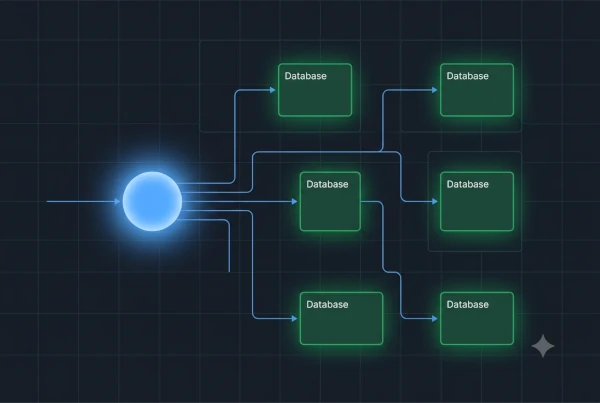
As a scaling digital agency, your operational efficiency lives or dies by how cleanly your data moves between disconnected systems. In the early days, setting up lightweight automations feels frictionless. You connect a simple web form to a customer relationship management (CRM) tool using standard, beginner-friendly tools, and everything functions smoothly. However, as your monthly volume grows from a few dozen leads to thousands of multi-step database transfers, you quickly encounter a massive operational bottleneck: the beginner software tax.
Many agencies hit a wall where simple billing structures penalize success. When a platform bills strictly per individual task, a single complex workflow that cleans data, parses JSON arrays, and routes variables can consume an entire monthly credit allowance in a matter of days. For agency operations managers and automation architects, the solution isn’t to stop automating; it is to shift from rigid consumer wrappers to a dedicated, enterprise-grade backend utility engine.
Unbundling the Economics of Operations vs. Tasks
The foundational shift occurs when you stop treating automations as isolated, single-step actions and begin treating them as holistic architectural scenarios. Advanced utility platforms like Make.com change the entire economic framework of agency operations by processing data through high-volume, credit-based structures rather than billing individual step premiums.
On a standard platform, a multi-step sequence that triggers from an inbound webhook, filters out junk entries, reformats a phone number string, and splits the data into separate target accounts is billed multiple times for every single successful step. On an independent data engine, your baseline credits absorb the underlying execution seamlessly, allowing you to scale complex visual logic without watching your monthly software bills multiply exponentially. This structural predictability is exactly why agency growth engineers look for standalone infrastructure layers to handle their heavy backend routing.
Building Multi-Tenant Resiliency in Custom Workspaces
Beyond the financial advantages, scaling a professional services directory or an operational ecosystem requires strict database and workspace isolation. A major flaw in basic automation platforms is the lack of structural environment control; workflows sit in messy, single-organization lists where client data risks cross-contamination.
True operational utilities solve this by introducing robust multi-tenant environments natively. This architecture allows full-stack developers to construct completely isolated, role-based environments and user workspaces under a single corporate umbrella. An automation architect can build, test, and safely iterate on live data loops in a dedicated staging workspace before pushing the verified payload out to production. If a single endpoint crashes or an external third-party API changes its schema overnight, advanced error-handling directives catch the fault, pause the sequence safely, and prevent the entire agency pipeline from collapsing.
Eliminating the Bloat for Predictable Growth
The goal of a mature digital operation is high utility and low clutter. By replacing disjointed premium plugins with a centralized visual workflow automation engine, you gain absolute visibility over your data data mining and operational relays. You no longer need to sign up for dozens of fragmented free trials or worry about unexpected hidden billing blocks.
Instead of letting software evaluation turn into analysis paralysis, looking at the technical specifications—such as multi-tenant isolation rules, true entry costs, and strict usage thresholds—allows you to build a lean, automated infrastructure that fuels predictable growth. Stop letting beginner wrappers dictate your operational margins, and install the standalone utility layers designed to scale alongside your agency.
Leave a Comment